










Consistency matters in meat processing. Whether you’re running a boutique butcher shop or managing a large-scale production facility, the ability to produce uniform cuts directly impacts product quality, customer satisfaction, and your bottom line. That’s where meat dicers come in, and choosing the right type for your operation can make all the difference.
Understanding the different categories of meat dicers available and what distinguishes them from one another is essential for making an informed equipment investment.
Understanding Meat Dicers: What They Do
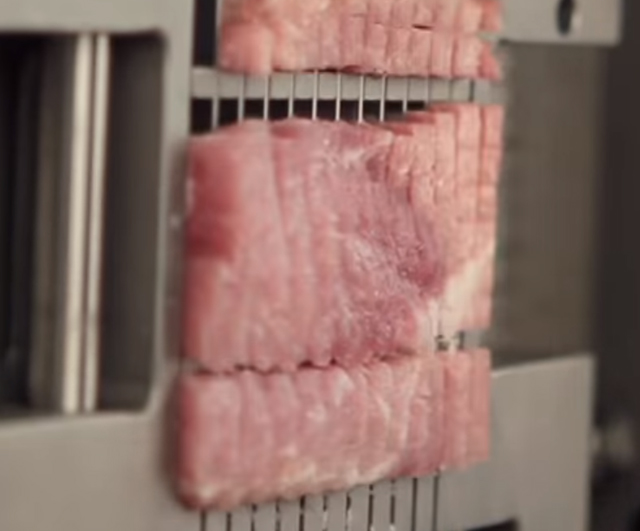
At their core, meat dicers are designed to cut fresh, cooked, or frozen meat into uniform cubes, strips, or slices. Modern units can handle products at temperatures as low as -3°C to -4°C, making them versatile across various production environments. Beyond meat, many dicers also process vegetables, cheese, and other products, adding flexibility to your operation.
Categories of Meat Dicers by Scale
Small-Scale and Semi-Automatic Dicers
For butcher shops, smaller restaurants, and low-volume processors, semi-automatic dicers offer an excellent entry point into mechanised dicing. These units typically feature manual loading with automated cutting, striking a balance between hands-on control and efficiency gains.
Characteristics of small-scale dicers include compact footprints suitable for limited floor space, throughput capacities ranging from a few hundred to approximately 700 kilograms per hour, simple operation requiring minimal training, and lower initial investment compared to fully automated systems.
These machines are well-suited for operations where production volumes don’t justify larger equipment but where consistency and labour savings remain priorities. A small butcher shop producing meat strips for stir-fry packs or diced meat for kebabs, for instance, would benefit significantly from even a compact semi-automatic unit.
Mid-Range Industrial Dicers
Stepping up in capacity, mid-range industrial dicers cater to supermarkets, larger food service operations, and central kitchens These machines often feature options to make infeed and outfeed easier, e.g. lifts and conveyors.
Mid-range models typically process between 850 and 1,600 kilograms per hour, depending on the specific configuration and product being processed. Many offer the versatility to produce not just cubes but also strips and slices by adjusting or removing specific blade sets.
Key features to look for in this category include stainless steel construction for durability and hygiene compliance, adjustable cube sizes (commonly ranging from 4mm to 30mm), safety interlocks that prevent operation when doors are open, and easy disassembly for thorough cleaning.
High-Volume Industrial Dicers
Large meat processing plants require equipment capable of sustained, high-throughput operation. High-volume industrial dicers meet this demand with capacities exceeding 2,000 kilograms per hour, with some top-tier models reaching up to 4,000 kilograms per hour or more.
These systems often incorporate automatic feeding mechanisms, bin lifters, and take-away conveyors that integrate seamlessly into existing production lines. Microprocessor controls enable precise adjustment of parameters like cutting grid drive, blade speed, and pre-compression, all of which affect output quality and consistency.
The investment in high-volume equipment is substantial, but for operations processing significant quantities daily, the return comes quickly through reduced labour costs, consistent product quality, and improved throughput.
Comparing Meat Dicer Types
| Feature | Small-Scale/Semi-Auto | Mid-Range Industrial | High-Volume Industrial |
| Throughput | Up to 700 kg/hour | 850–1,600 kg/hour | 2,000–4,000+ kg/hour |
| Typical Users | Butcher shops, small restaurants | Supermarkets, central kitchens. | Large processing plants |
| Loading | Manual | Manual or semi-automated | Fully automated with bin lifters |
| Cube Size Range | 4–30mm | 4–30mm | 4–30mm+ |
| Conveyor Integration | Rarely | Optional | Standard |
| Investment Level | Lower | Moderate | Higher |
Key Features Across All Categories
Regardless of scale, certain features distinguish quality meat dicers from lesser alternatives. Safety systems are paramount; reputable manufacturers incorporate door interlocks that prevent operation when access panels are open, protecting operators from accessing the blades. Stainless steel construction has become standard for food-contact surfaces, ensuring durability while meeting hygiene regulations.
The ability to handle both fresh and frozen products expands operational flexibility. Most quality dicers can process meat at temperatures down to -3°C or -4°C, though some specialised frozen meat dicers extend this range further. This capability proves valuable for processors working with tempered products or those who prefer cutting meat at lower temperatures for cleaner results.
Ease of cleaning deserves special attention. Machines with tool-free disassembly and water-washable components significantly reduce downtime between production runs and between different product types. Given the strict sanitation requirements in meat processing, this feature directly impacts operational efficiency.
Making the Right Choice for Your Operation
Selecting appropriate dicing equipment requires an honest assessment of your current and projected needs. Consider your typical daily throughput requirements, the variety of products you’ll process, available floor space, integration requirements with existing equipment, and your budget for both acquisition and ongoing maintenance.
It’s worth noting that undersized equipment creates bottlenecks and overworks machinery, while oversized equipment ties up capital unnecessarily. Many operations find mid-range dicers offer the best balance of capability and value, though your specific circumstances will dictate the optimal choice.
Browse our complete range of meat dicers to explore options suited to operations of every scale.