










Meat quality is essential whether running a butcher shop, managing a commercial kitchen, or preparing premium cuts at home. It can offer more tender, flavourful and enjoyable products.
But how do you improve your meat quality for better dining experiences? Meat tenderising machines are excellent solutions. These mechanical devices break down meat connective tissue and fibres to enhance flavour, texture and quality.
Below, we explain more about tenderising machines and how they work to improve meat flavour and texture.
What Is a Meat Tenderisation Machine?
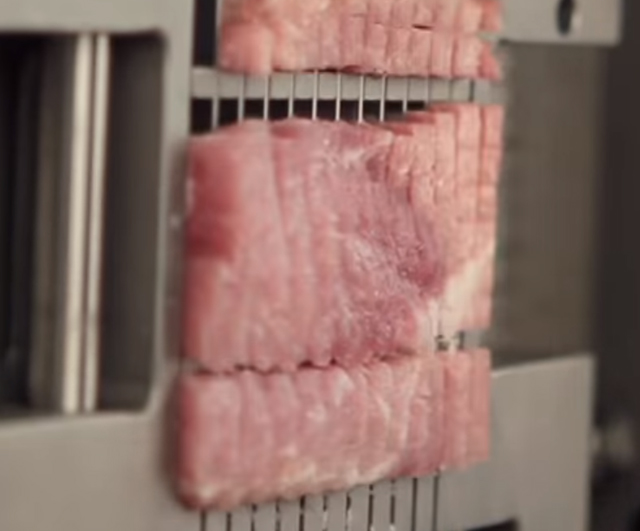
A meat tenderisation machine is a food processing machine for softening meat and making it easier to chew. It has blades, needles or rollers for cutting, piercing and breaking down meat fibres, which offer more tender and flavourful meat.
How Tenderising Machines Improve Meat Flavour and Texture
Tenderising machines improve meat flavour and texture using various tools and processes, including:
Mechanical Puncturing
Mechanical puncturing uses machine blades and needles to pierce meat surfaces and break down muscle fibres and connective structures. This process softens protein and makes it easier to chew. It also creates internal pathways or openings for marinades and seasonings, improving flavour.
Shearing
Shearing involves cutting through the meat muscle fibres. In a tenderising machine, mechanical edges or blades slice through strands of muscle and sinew. This process reduces the structural integrity of the muscle tissue and meat toughness. It also opens up surface areas for marinades to enter more effectively.
Mechanical Compression
Mechanical compression involves rollers and plates flattening and distorting muscles in meat. This process leads to thinner, more tender, and consistent meat thickness for even cooking. It also spreads protein fibres and allows for even more seasoning absorption.
Tensile Stress and Elongation
Tensile stress and mechanical elongation involve machine rollers and plates continually stretching and pulling internal meat fibres. The repetitive motion or agitation elongates and tears them to create more tender protein. It also creates gaps in fibres for better spice or liquid absorption and infusion.
Structural Disruption
Structural disruption is another tenderising process for improving meat flavour and texture. It involves machine rollers and plates creating tiny openings in meat fibres and altering the internal structure. This application loosens muscle fibres to make meat less dense and chewy. It also increases the internal surface area to allow more seasoning to be absorbed.
Mechanical Expansion
Mechanical expansion involves using machine components like blades, needles and rollers to tear or pull apart meat muscle fibres. This action exposes internal meat structures and offers more even and faster cooking.
Benefits of Meat Tenderiser Machines for Different Industries
The use of meat tenderisers extends beyond restaurants. Here’s a look at where these machines are most useful:
Butcheries: Traditional butcheries process a wide variety of cuts daily. A tenderiser allows them to improve product quality while expanding what they can offer their customers, from stir-fry strips to cube steak.
Commercial kitchens: Speed and consistency are crucial in commercial settings. A meat tenderiser machine ensures every piece of protein has the same cook time and mouthfeel.
Meat processing plants: High-volume meat processors rely on robust tenderiser machines for efficient processing
Gourmet food services: Luxury steakhouses and gourmet caterers use tenderisers for texture and to create signature flavour profiles through deep marination.
Different Types of Meat Tenderiser Machines
Choosing the right tenderiser depends on your business size, volume, and meat types. Let’s break down the most common types:
|
Type |
Use |
|
Manual |
Ideal for small-scale operations or occasional use. |
|
Electric Tenderisers |
Designed for mid-sized butcheries and commercial kitchens. |
|
Hydraulic/Industrial |
Built for meat processing plants and large-scale production. |
|
Blade Tenderisers |
Use sharp blades to slice through muscle fibres. |
| Roller Tenderisers | Use grooved rollers to compress and break down the meat. |
How To Choose a Suitable Meat Tenderiser Machine
Before purchasing a machine, consider the following:
Volume of use: Are you processing 10 kilos a day or 100? This volume determines whether a manual or electric model is suitable.
Meat type: Some machines are better for poultry, others for beef or lamb. Make sure the machine supports the range of meats you process.
Cleaning and maintenance: Can it be disassembled quickly for cleaning? Look for machines with easy access to internal parts.
Durability: Stainless steel construction, heavy-duty motors, and reliable brands ensure long-term value.
Trust Barnco for High Quality Meat Tenderising Equipment
A high-quality meat tenderiser machine improves meat tenderness and flavour. It also boosts efficiency, reduces waste, and ensures consistency across every plate and package.
If you want the best results out of your meat tenderiser, you must invest in premium equipment. That’s where Barnco comes in.
We offer industry-leading meat tendering machines and equipment to enhance your craft.