










In commercial kitchens, butcher shops and food production settings across Australia, efficiency matters. Speed, consistency and labour costs all affect daily operations, especially when preparing large volumes of meat.
One common question is whether a meat tenderiser machine is worth the investment, or if traditional manual tenderising methods still do the job well enough.
The answer depends on your business size, output and workflow. Both methods have their place, but each offers different advantages.
What Does Meat Tenderising Do?
Tenderising helps break down muscle fibres and connective tissue, making meat easier to chew and improving texture. It can also help marinades absorb more effectively, creating a more consistent finished product.
This is particularly useful for tougher cuts of beef, lamb, pork or chicken that need help.
Manual Tenderising: The Traditional Approach
Manual tenderising encompasses several techniques, from the satisfying thwack of a meat mallet to the precision of needle tenderisers and the chemical assistance of marinades and enzymes.
These methods remain popular in smaller kitchens and specialty butcher shops because they are affordable and simple to use.
Time and Labour Investment
Manual tenderising is labour-intensive, full stop. For operations processing dozens or hundreds of portions daily, this becomes a significant labour allocation. Consider how many pieces any given staff member can process in an hour and their hourly wage to find out the direct labour cost per piece.
Consistency Challenges
Here’s where manual methods show their limitations. Even skilled professionals produce variation between pieces. One steak receives 20 strikes with the mallet, another gets 25. Pressure varies. Coverage isn’t uniform.
For high-end establishments where consistency defines the dining experience, this variability poses genuine challenges. Customers expect their protein to deliver the same texture whether they visit on Tuesday or Saturday.
The Advantages
Manual methods aren’t without merit. They offer:
- Tactile feedback: Experienced butchers feel the meat’s response and adjust technique accordingly
- Flexibility: Easy to adapt approach for different cuts or customer specifications
- Low equipment investment: $30-150 for a mallet or manual tenderiser
- Control over delicate cuts: Some premium cuts benefit from the gentle, targeted approach only hands can provide
For small-scale operations, boutique butchers, or specialists focusing on premium, low-volume products, manual methods can remain perfectly viable.
Mechanical Tenderising: The Modern Alternative
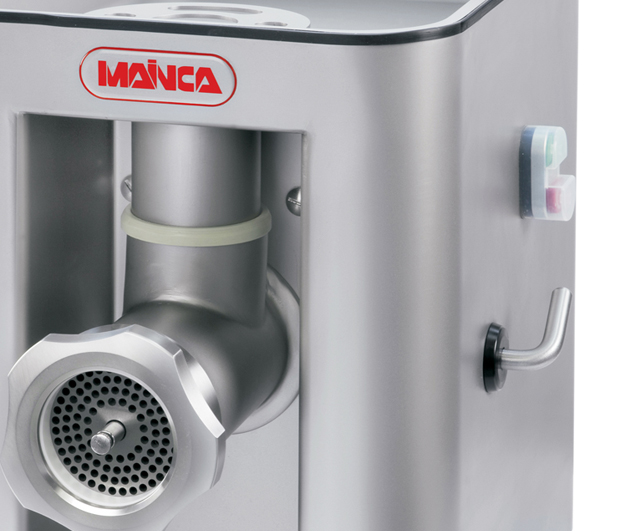
Mechanical meat tenderisers range from compact countertop units suitable for small commercial kitchens to substantial floor-standing machines designed for high-volume processing facilities.
Benefits of a Meat Tenderiser Machine
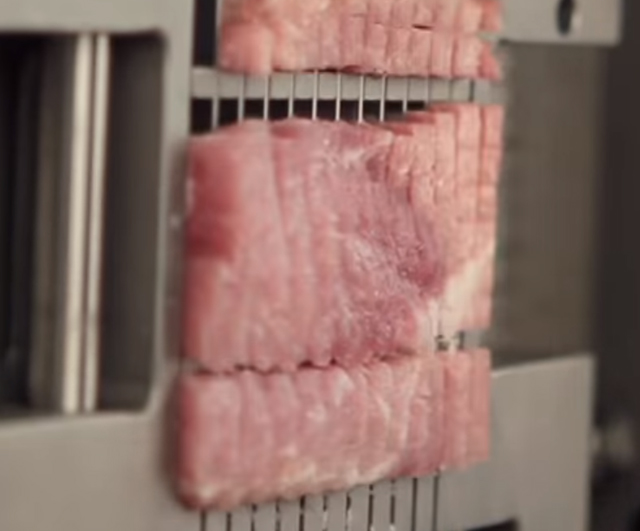
Machines can process meat far faster than manual methods while producing a more uniform result. This helps reduce prep time, improve consistency and free up staff for other tasks.
They also make it easier to turn tougher or lower-cost cuts into tender products suitable for schnitzels, steaks, stir-fry strips and more.
Consistency and Quality Control
Every piece passes through identical blade patterns at uniform pressure. The result? Predictable tenderness across every portion, every service, every week.
This consistency extends to yield optimisation as well. Mechanical tenderisers can salvage tougher, less expensive cuts, transforming them into products that command premium pricing. A well-calibrated machine turns economical topside into tender schnitzels or secondary cuts into restaurant-quality steaks.
Maintenance and Operating Costs
Mechanical tenderisers require regular maintenance: blade sharpening or replacement, lubrication, and general upkeep.
However, for many businesses, the time saved and increased production capacity can quickly justify the purchase
Making the Right Choice for Your Operation
The efficiency question ultimately comes down to your operational profile. Consider these decision points
| Choose manual methods if: | Invest in mechanical tenderising if: |
| You process fewer than 30-50 pieces daily
You specialise in premium, highly varied cuts requiring individual attention Capital investment presents significant constraints Your operation values artisanal, hands-on preparation as part of your brand identity You have skilled staff with time allocated for this task |
You process 100+ pieces daily
Consistency and speed directly impact your service capacity Labour costs represent a significant operational expense You’re looking to upgrade lower-cost cuts into premium products You’re scaling operations or planning expansion |
The Verdict
When comparing meat tenderiser machines vs manual methods, the best choice depends on how your business operates.
If speed, consistency and volume matter most, a machine is often the smarter long-term investment.
If you work with smaller batches or highly specialised cuts, manual methods can still be effective.
At Barnco, we supply reliable commercial food processing equipment designed to help Australian businesses improve workflow, efficiency and output. If you are considering a meat tenderiser machine, our team can help you find the right solution for your operation.